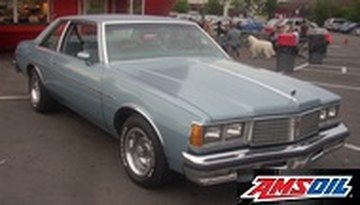
Lubrication Maintenance for the 1981 Pontiac LAURENTIAN 3.8L
Maintaining a vehicle from the early 1980s requires a shift in perspective compared to modern automotive care. For an owner of a 1981 Pontiac Laurentian equipped with a 3.8L engine, routine service is not just about following a schedule; it is about active monitoring and understanding how aging mechanical components interact with various fluids. Proper lubrication management is a cornerstone of preserving the operational integrity of this engine over the long term.
Monitoring Fluid Integrity and Condition
One of the most effective ways to assess the health of an engine is through regular observation of its lubricants. Rather than relying solely on mileage, an owner should periodically inspect the appearance and consistency of the engine oil. While fresh oil has a distinct, translucent quality, older oil may appear significantly darker or even opaque due to the accumulation of various substances during the combustion process.
If you notice a significant change in the texture of the oil—such as an unusual thickness or a gritty feel—it warrants immediate investigation. Such changes can be associated with several factors, including extended service intervals or environmental contaminants entering the system. Additionally, checking for any signs of fluid seepage around the engine block or near various gaskets and seals is a vital part of a routine inspection. While some level of minor seepage is common in older vehicles, identifying these areas early allows for more controlled maintenance decisions rather than reacting to sudden leaks.
Observing Potential Warning Signs
When managing an older 3.8L engine, it is important to remain attentive to how the vehicle behaves during operation. Symptoms that may seem minor can often serve as early indicators of a need for service or inspection. For instance, if you notice an unusual odor while the engine is running, this may indicate that oil is contacting a hot external surface. Similarly, any changes in the way the engine sounds during startup or idling should be noted.
It is also useful to monitor the vehicle's consumption of fluids. If you find yourself needing to add oil more frequently than in previous months, this can be associated with various internal or external factors. It is important to remember that these symptoms can have multiple causes; for example, an unusual exhaust color or a change in engine noise does not point to one specific failed component but rather suggests that the system should be investigated by a professional to determine the root cause.
Prioritizing Long-Term Engine Care
For owners of a 1981 Pontiac Laurentian, establishing a maintenance baseline is an excellent way to manage the vehicle's longevity. If you have recently acquired the vehicle and do not have access to a complete service history, your first priority should be to document its current state. This involves recording the dates and details of every fluid change, filter replacement, and mechanical repair.
When maintenance records are incomplete, focus on addressing active concerns first. If there is evidence of an existing leak or if the engine shows signs of inconsistent lubrication, these should take precedence over general preventive tasks. As a vehicle ages, the priority often shifts from strictly following a calendar to responding to the actual condition of the components. This means inspecting aging materials—such as rubber hoses or electrical connections, if present—based on their physical state rather than just their age. A proactive approach that combines regular visual inspections with careful record-keeping will help distinguish between necessary repairs and unnecessary parts replacement.
Practical Inspection of Engine Components
A thorough inspection during an oil service provides a window into the overall condition of the engine bay. When the vehicle is being serviced, it is a good time to look at other accessible areas that support engine operation. If equipped, inspect any visible drive belts for signs of cracking, glazing, or fraying. These components are subject to heat and tension, and their condition is vital for the smooth operation of various accessories.
Furthermore, if the vehicle is equipped with a cooling system, checking the condition of the hoses for softness, swelling, or leaks can prevent overheating issues. Even if no immediate problems are visible, a general scan of the engine compartment for loose wiring or aging electrical connectors can prevent unexpected interruptions in service. This holistic approach ensures that you are not just changing the oil, but also verifying that the environment in which the oil operates remains stable and secure.
Managing Lubrication Requirements as an Engine Ages
As engines undergo many years of thermal cycling and mechanical use, their lubrication needs may evolve. Some owners choose to explore different lubricant formulations to address the specific characteristics of an older engine. For example, some high-mileage oil formulations contain additives intended for use in aging engines. These specialized products often include seal-conditioning additives that are designed to help maintain the integrity of various gaskets and seals.
While these formulations can be a useful tool, they should be selected based on the specific needs of your engine's current condition. The goal is to provide a lubricant that maintains thermal stability and provides effective deposit control, ensuring that the internal components remain protected throughout the service interval. Always prioritize the quality and certification of the lubricant to ensure it meets modern standards for engine protection.
Buying Engine Oil for the 1981 Pontiac LAURENTIAN 3.8L
When you are ready to purchase new lubricant, the most important step is to match the product to the specific requirements of your vehicle. Do not rely on general automotive knowledge or assumptions based on the age of the car to select a grade. Instead, refer directly to the application-specific oil viscosity and information already displayed on this webpage for your 1981 Pontiac Laurentian 3.8L.
Before completing your purchase, carefully check the product labeling to ensure the oil meets the necessary quality standards and certifications. Depending on your maintenance goals and the current condition of your engine, you may choose between conventional, synthetic-blend, or full synthetic options. If your engine shows signs of high mileage, you might also consider formulations specifically designed for those applications. By strictly following the viscosity and application details provided in the technical data above, you ensure that your lubrication choice is appropriate for this specific 3.8L engine.